

The site for writers of all genre, and the readers who love them. Find what you want to know.
Tip Sheets & Guidelines
Tip sheets are concise, one-page guides offering 5-12 actionable tips or procedures on a specific topic, used for PR, training, or support, featuring a title, intro, numbered tips with clear advice (often with visuals like screenshots), and contact info or a call-to-action. You can use a tip sheet as an outline for your manuscript.
Guidelines are broader, overarching rules or recommendations for conduct, standards, or processes, providing a framework for best practices or compliance, often more detailed than a tip sheet but serving similar goals of clarity and direction.
For best results, ALWAYS check with the publisher and use their Tip Sheet or Guidelines.

Plan for Success
by Mary Anne Hahn
Make no little plans; they have no magic to stir men’s blood — Make big plans, aim high in hope and in work. –Daniel H. Burnham,Architect Before you post your first web site, print your first business card or hang that shingle on your door, you can lay a foundation for your writing business that might make all the difference in the world between total success and dismal failure.
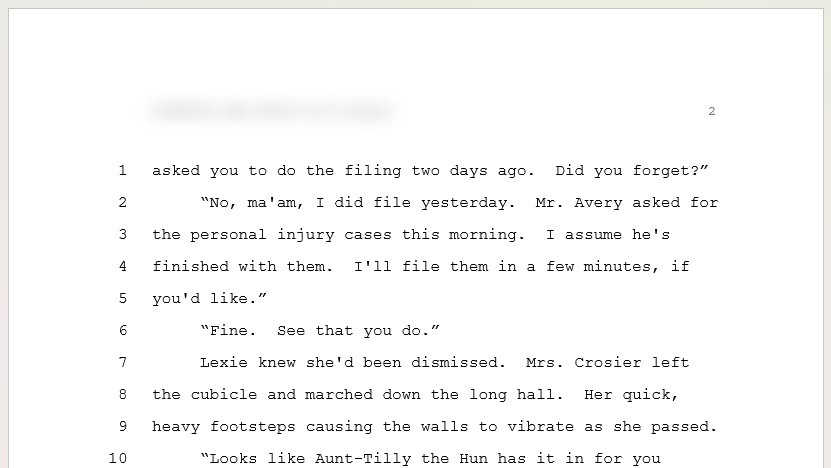
Achieving 250 Words / 25 Lines Per Page
So,, you’ve checked the publishers requirements and have no idea how to make your manuscript fit their requirements. Here is how to achieve the Ideal format for novel submission, 250 words per page, only 25 lines per page, what fonts to use and how to set up headers, footers and margins.

Publisher’s Websites
This list will continue to grow as we receive your links. As with Editors and Agents links, always Google the agency and see if there are any bad reviews or warnings against the publishing house.

Copyright Primer, Know Your Rights
Linda S. Dupie
When an editor gives you the great news your article or essay is ready for publication; do you know what rights you’re selling? As a young writer knowing your rights is key. Your work is copyrighted the moment you put your words on paper, meaning you own the rights to your work.

Why E-Books?
Chris Randall
With thousands of writers all competing to get the favorable eye of the traditional publisher, it is not surprising that the great majority fail to get into print. Trying to compose those few words which will grab the attention of the person sitting in the selector’s chair, can be about as fruitful as picking out a seven way accumulator at a race meeting. Yet we go through these motions time and again, never stopping to ask why we contribute so eagerly to the publisher’s seat of unreachable power. But you don’t need to be told this. You have probably already experienced it yourself.

Science & Science Fiction Writing Organizations
A growing list of Science and Science Fiction Writing Associations – Great for Publishing information or a resource for your mauscript.
Changing Double Hyphens to EM Dashes in Word
Donna Clayton
Simple steps to automatically change your double dash to an em dash.

What NOT to Do When Beginning Your Novel
No one reads more prospective novel beginnings than literary agents. They’re the ones on the front lines — sifting through inboxes and slush piles. And they’re the ones who can tell us which Chapter 1 approaches are overused and cliche, as well as which techniques just plain don’t work. Below find a smattering of feedback from experienced literary agents on what they hate to see the first pages of a writer’s submission. Avoid these problems and tighten your submission.

How To Write Your Own Press Releases
By Megan Potter
Writing press releases is a relatively easy way to make money, once you get all the essentials down. Anyone can write press releases in their spare time as a means to supplement their creative income. All that they need is a little bit of marketing and practice. Writing Corner wants to be sure you know everything there is to know about writing press releases.

Knowing and Finding Your Voice
By Shirley Kawa-Jump
Finding your true writing voice is a lot like falling in love — you know it when it happens. Until then, you bumble along, trying this style and that, wondering if this is it or if a better voice is out there just waiting for you. You question and doubt, reaching nearly the point of despair before finally, your true voice comes to you and you know exactly who you are as a writer.

Working with a Critique Group
By Shirley Kawa-Jump
Not all of us are objective about our work. If you asked top authors if they are the best voice of reason over what works and doesn’t work in a given story, they’d probably say no. Why? We are too close to our writing to see the flaws. A your writing is a lot like a child–even if your kid is ugly in the eyes of other people, you see the beautiful creation of your genes. You don’t see missing plot lines, stilted dialogue, or flowering descriptions. You see art.
Subscribe

Author Ads
Business Ads
Business Ad