
The site for writers of all genre, and the readers who love them. Find what you want to know.
Characterization – Nonfiction
Nonfiction characterization is the technique of bringing real people to life in a true story, using literary methods like vivid details, dialogue, actions, and anecdotes to reveal their personality, motivations, and complexity, rather than inventing them like in fiction, making subjects feel authentic and engaging for the reader. It involves showing who someone is through their words, behavior, and circumstances, creating a believable, multi-dimensional “hologram” of a real individual.
Key Aspects of Nonfiction Characterization
- Rooted in reality: Characters are actual people, so writers must represent them fairly, ethically, and accurately, capturing their essence without caricature or sensationalism.
- Uses fiction techniques: Writers borrow from fiction, employing direct (telling the reader traits) and indirect (showing through actions, words, appearance) characterization to make subjects vivid.
- Focus on authenticity: The goal is to present complex, layered individuals, showing their conflicts, motivations, and contradictions.
Reliance on evidence: Authors use real-life details, the subject’s own words (quotations), and firsthand accounts (anecdotes) to build the character. - Involves multiple characters: Beyond the main subject, it also includes the author’s voice (character) and the intended reader’s perception (character).
Examples In Ptractice
- Instead of saying “He was stubborn,” an author might describe him arriving late and out of breath (indirect characterization), leading the reader to infer his stubbornness.
- Using a memorable anecdote about the person as a child helps readers identify with their later decisions.
- In biographies, capturing the person’s unique speech patterns and significant life events brings them to life.
Why Is It Important?
- It brings the reader into the story by making them care about the real people involved.
- It transforms factual accounts into compelling narratives, making nonfiction informative and entertaining.

How to Write Engaging Dialogue in Your Fictional Stories
Dialogue is an essential component of any fictional story, serving as a means for characters to communicate with one another and move the plot forward. However, writing engaging dialogue can be a challenging task, as it requires more than just accurately conveying what characters say. To truly capture readers’ attention and immerse them in your story’s world, you must write dialogue that feels natural, nuanced, and compelling. With that in mind, this guide will provide you with tips and techniques for writing dialogue that will keep your readers engaged from beginning to end.

Slang and Jargon Souces
A list of jargon and slang sources. Jargon is special words or expressions that are used by a particular profession or group and are difficult for others to understand. It is the specialized language of a specific group, trade, or profession, often using terms that are difficult for outsiders to understand.

Craft True-to-Life Nonfiction Characters
Characters are the soul of what’s come to be called creative nonfiction, an umbrella term that covers memoir, the personal essay and literary journalism, among others. But characters in nonfiction present special problems: While characters in fiction are often based on real people, there’s still that screen. In nonfiction, by contrast, the writer is telling the reader: These people I’m bringing to you are real.
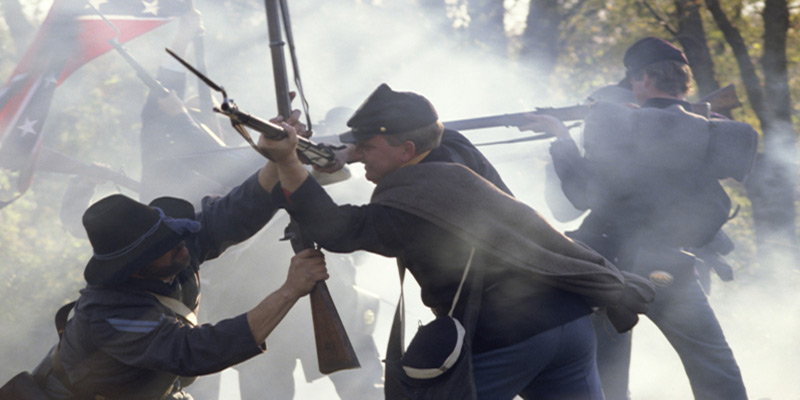
Fiction vs Nonfiction
The fiction vs nonfiction comparison presented in the following article should help understand the basic differences between these types of literary works.

Knowing and Finding Your Voice
By Shirley Kawa-Jump
Finding your true writing voice is a lot like falling in love — you know it when it happens. Until then, you bumble along, trying this style and that, wondering if this is it or if a better voice is out there just waiting for you. You question and doubt, reaching nearly the point of despair before finally, your true voice comes to you and you know exactly who you are as a writer.

Working with a Critique Group
By Shirley Kawa-Jump
Not all of us are objective about our work. If you asked top authors if they are the best voice of reason over what works and doesn’t work in a given story, they’d probably say no. Why? We are too close to our writing to see the flaws. A your writing is a lot like a child–even if your kid is ugly in the eyes of other people, you see the beautiful creation of your genes. You don’t see missing plot lines, stilted dialogue, or flowering descriptions. You see art.

Why Your Story Conflict Isn’t Working (And How to Fix It)
by Janice Hardy
Conflict is one of those aspects of writing that has caused more than its fair share of writer frustrations. Like many writers, I’ve spent countless hours creating conflict in my novels. I’ve thrown exciting obstacles in my protagonists paths, I’ve developed sinister antagonists to thwart my heroes, I’ve devised cruel ways to put my characters through mental anguish — and my beta readers still told me, “This book needs more conflict.”
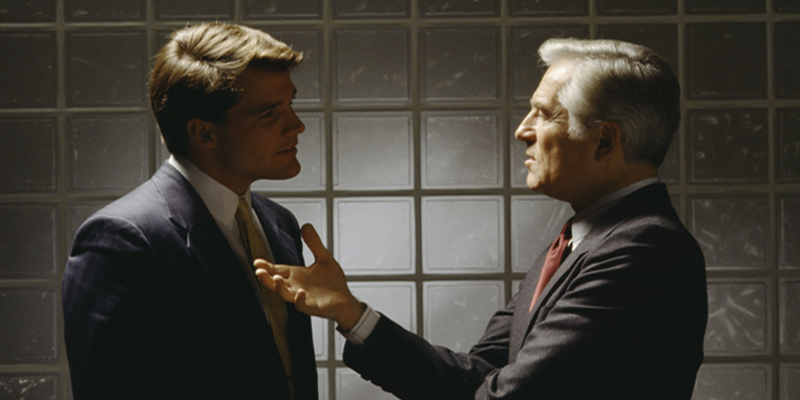
60 Ways to Create and Heighten Conflict
Ian Irvine
Why do we Love Stories? Stories dominate our daily lives, in books, movies, TV, games, jokes. Newspaper articles are called stories; even songs tell stories; even advertisements. But why do all humans crave stories? For many reasons, including escapism and to learn about life, but most of all to relate to the characters (Cleaver, Immediate Fiction).

What is Characterization?
author unknown
There are many ways to show character: exposition; description; action; gestures and mannerisms; setting, tastes, interests; dialogue; thoughts; and narrative voice.

The Sticky Story
Emily Jean Carroll
The Sticky Story by Emily Jean Carroll What is a sticky story? A sticky story is the kind you want to write. I can think of three kinds. You want your readers–beginning with the editor or publisher you send the story to–to turn page after page of your…

Painting With A Character’s Brush
By Janell Looney
Every aspect of our own personal history colors the way we experience the world around us. The same must be true for the story world as experienced by our characters. Effective use of point of view (POV) means far more than staying in one character’s head, describing events through her eyes. Her personality, her history, her view of the world, must affect every aspect of the way she narrates those events.
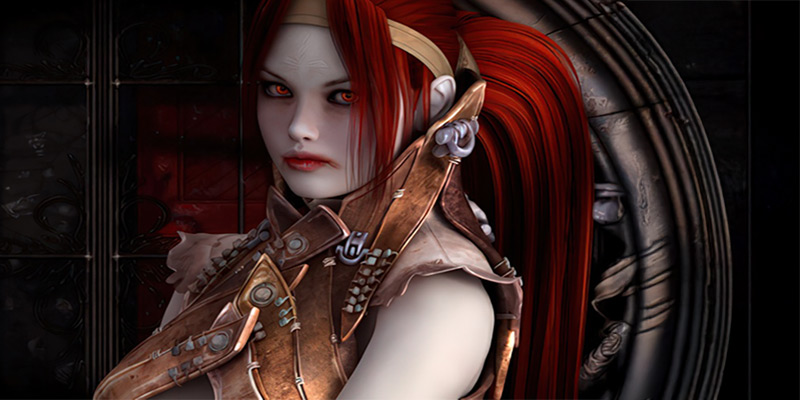
Dynamic Characters
By: Nancy Kress
Characters, they are the life of your story. Literally. As a long time reader it has always been my opinion that the greatest books are the ones with full, believable characters. You know what I mean? They make finishing a book bittersweet, you are happy to know the end and yet,
Subscribe

Author Ads
Business Ads
Business Ad