
The site for writers of all genre, and the readers who love them. Find what you want to know.
Grammar & Formatting
Publishing houses require manuscript submissions in editable file formats like DOCX (Microsoft Word), RTF (Rich Text Format) or PDF (Portable Document Format), using standard formatting such as a 12-point font (e.g., Times New Roman or Courier) with double spacing, 1-inch margins, and left-aligned paragraphs with paragraph indents. Each page should include a header with your name and the manuscript’s title, and the submission should also include a separate title page with your contact information. It is crucial to check the specific publisher’s website for their individual guidelines, as formatting requirements can vary.
Some publishing houses have very specific requirements, such as 25 lines per page, no more than 250 words per page, etc. While there are some basic settings given here, it is always best to visit the Publishers’ Tip Sheets and check requirements.
There are many tools you can use to check your grammar, but document formatting tends to require someone with more knowledge than just opening a word document and typing. You will find formatting guides in our Resources section that show exactly how to achieve specified lines, pages and word count for various Publishing houses.
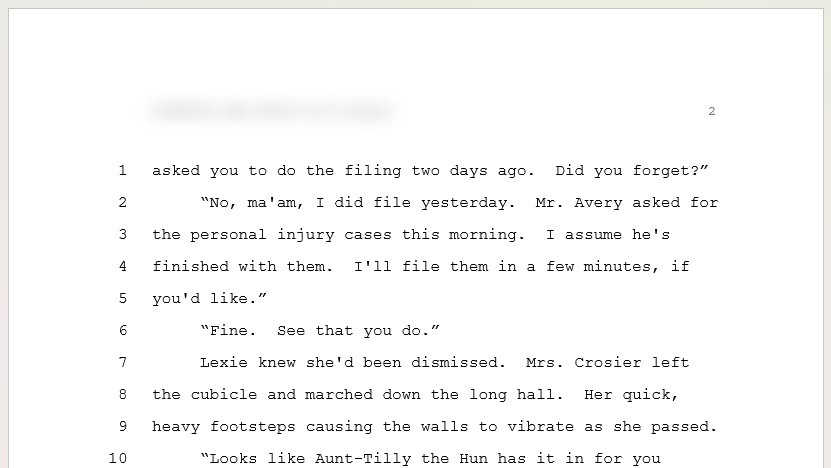
Achieving 250 Words / 25 Lines Per Page
So,, you’ve checked the publishers requirements and have no idea how to make your manuscript fit their requirements. Here is how to achieve the Ideal format for novel submission, 250 words per page, only 25 lines per page, what fonts to use and how to set up headers, footers and margins.
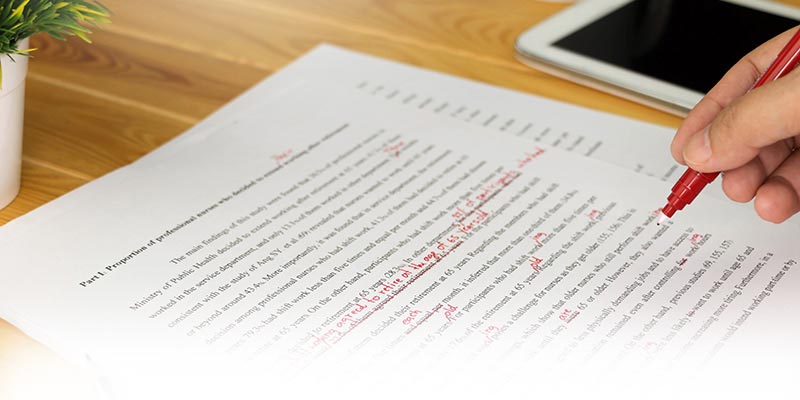
Proofreaders Marks
Proofreaders marks from the Chicago Manual of Style online. A must for all writers. Proofreading is the final review of a text to correct surface-level errors like spelling, grammar, and punctuation before publication. It ensures the writing is clear, accurate, and polished by catching mistakes that could distract readers or damage credibility. This process focuses on “black and white” technical issues, unlike editing, which addresses larger problems with structure and content.

Slang and Jargon Souces
A list of jargon and slang sources. Jargon is special words or expressions that are used by a particular profession or group and are difficult for others to understand. It is the specialized language of a specific group, trade, or profession, often using terms that are difficult for outsiders to understand.
Research Links
Find places to research for any genre or topic, resources, dictionaries, and more.
New: POETRY
New: BLOGS
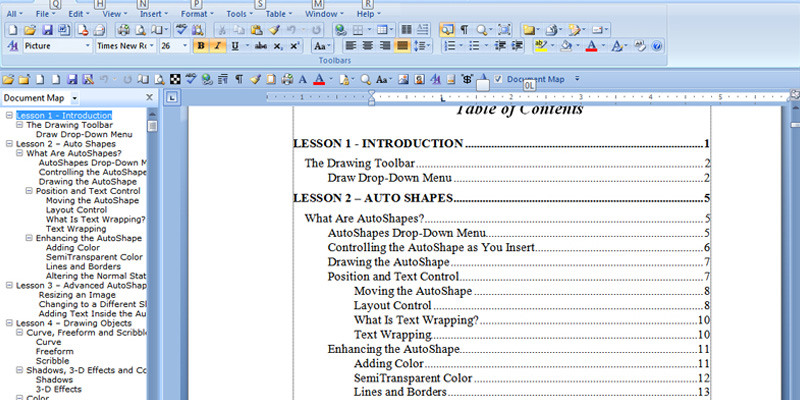
Navigating In Your Novel
Susan Gillett Domokos
You’re sitting in your chair, estranged from the rest of the household. (Not because you can’t stand the normal noise of your family, i.e. bellowing partner, screaming kids, blaring television, etc., but because they can’t stand the oddly vacant, zombie-like look that pervades your face every time you sit down to prove to the world that you’re a literary genius, and have therefore shoved you off into a nicely made up broom closet, with a single yellowed bulb swaying gently above your head, to be CREATIVE… (Using the Document Map)
Tightening Your Manuscript and Trimming the Word Count
Deanna Lilly
Now that the mechanics of achieving 250 words and 25 lines per page are out of the way, the manuscript is complete and perfect (you didn’t forget to remove the line numbers before printing and sending your “baby” to your editor) and at last the wait is over. Finally, you get the long awaited letter back. Your editor has fallen in love with your story BUT, she/he wants you to cut your 100,000-page masterpiece to 90,000 pages.
Rules for Writers
PPW (Panhandle Plains Writers) Amarillo, Texas
A cheeky set of incorrect grammar usage to help you learn and laugh.

Misused Words
Deanna Lilly
Here is a list of regularly misused words and their appropriate uses. You might want to bookmark this page so you have ready access to which spelling you should be using.

Changing Double Hyphens to EM Dashes in Word
Donna Clayton
Simple steps to automatically change your double dash to an em dash.
Edit Easier
Megan Potter
Editing is not a lukewarm writing stage. Either it’s your favorite part about writing or you dread it. Personally, I sort of like this stage. If writing were pottery I would compare writing the rough draft to making the clay, I see editing as my opportunity to mold it into something recognizable.

High Hopes–Avoiding Common Mistakes
Margaret Terhune
Beginners are by nature inexperienced and prone to making mistakes. Part of any learning process involves working through trial and error towards achievement. Novice writers are no exception. There are, however, many common mistakes the beginner can avoid. I have grouped these into three main categories: not researching enough, not writing enough and not revising enough.

And Sammy, Too? Oh, No!
Elizabeth MacDonald
You think I don’t have trouble with grammar? Everybody has trouble with grammar. But my biggest problem is with punctuation. When I was a little tot, I was taught that when you put “too” at the end of a sentence, you put a comma in front of it. Simple. Here’s an example. “I like artichokes, too.”
Subscribe
Author Ads
Business Ads
Business Ad