
The site for writers of all genre, and the readers who love them. Find what you want to know.
Encouragement & Ideas
Encourage young writers by fostering a love for reading, providing dedicated creative space, valuing their unique voice, and emphasizing that writing is a process of drafts and revisions, not instant perfection; focus on positive feedback, offer prompts, celebrate small wins like finishing a story, and help them see writing as a fun, powerful way to express themselves and build empathy, rather than a chore.
For Children
- Make it Playful: Use prompts like listing favorite things, creating stories with toys, or writing silly poems (like list poems).
Read Aloud & Together: Share picture books and chapter books, showing your passion for stories, and let them see you write, say Write Academy.
Provide Tools & Space: A special notebook, cool pens, or even a designated cozy corner for creative time. - No Pressure: Don’t correct every mistake; focus on the fun and flow. Let them doodle or write from the bottom up, Authors Publish Magazine.
Celebrate & Share: Make homemade books, bind their stories, or have siblings/friends illustrate them to show pride in their work, Children’s Literacy Foundation.
For Young Adults (Teens)
- Validate Their Voice: Tell them they are writers and their stories matter. Help them believe in themselves against self-doubt.
- Embrace the Process: Explain that great writing takes many drafts. Encourage revisions and focus on what’s improving.
- Explore & Experiment: Suggest fanfiction, different styles, or even “wild writing” (no rules!) to find their voice.
- Connect Reading & Writing: Encourage reading widely in their favorite genres to learn from other authors.
- Offer Gentle Feedback: Use the “compliment sandwich” (positive, gentle critique, positive) and ask for permission before critiquing, say Jane Friedman.
Universal Encouragement
- Read, Read, Read: Good writers are good readers.
- Provide Space & Time: Creative energy needs room to grow, say Write Academy and Charleston Moms.
- Let Boredom Happen: Boredom sparks creativity.
- Invest in Their Craft: Buy them supplies, writing books, or attend workshops if they’re interested, Charleston Moms.

Write Diaries for Your Children 02
Kelly DuMar, M.Ed.
As a mother in a recent workshop shared, sometimes the child we are expecting is not our first, but our second or third. Perhaps the enthusiasm about welcoming this new baby is dimmed by the moment-to-moment care taking requirements of the children already very actively in your life at home.

Write Diaries for Your Children 01
Kelly DuMar, M.Ed.
Have you ever longed to ask your parents, “What was I really like as a child?” Some day, your children will ask this question of you. If you write diaries for your children as they grow, you will be preserving memories and saving your child’s unique stories to treasure for many years to come.

The 8 Habits of Highly Successful Young-Adult Fiction Authors
Best-selling writers including John Green and Veronica Roth share their strategies for crafting authentic, relatable teen characters — even in fantasy worlds.

You Can Write A Short Story: Part 1 The Story Idea
Linda S. Dupie
So, you want to write a short story. There is more to writing it, than just telling a story. Have you heard the phrase “Show, don’t tell?” If you haven’t, then remember it. Show; don’t tell means to use your characters to convey the story through their actions and dialogue.

You Can Write A Short Story: Part 2 The Meat of the Story
Linda S. Dupie
Many writers call the middle the meat of the story, but I like to think of it as an OREO cookie. The creme filling is what holds the ends together, just as the middle of your story should bring the beginning and ending of your story together.

You Can Write A Short Story: Part 3 The Climax
Linda S. Dupie
You’ve worked hard on your story, now it’s time to round out the story with your ending. This is the time to exit your story gracefully.

Various Types of Writing for Young Writers
Mary Ellen Allen
So often we or our students think of writing as composing poetry and fiction stories. Usually we don’t consider non-fiction pieces, interviews, reports, essays, letters, and other similar forms. When youngsters say, “I can’t think of a story,” suggest other types of writing which might dispel their “writer’s block.”

Keeping an Idea Book
Mary Emma Allen
Youngsters often are intimidated by the idea of writing, whether it’s a story, poem, book report, non-fiction article. However, there are a number of ways to take away some of the dread of writing.

Keep a Clipping File
Mary Emma Allen
I keep a clipping file for my own writing and suggest that teachers do this to use in the classroom. Also encourage older student writers to keep their own files. When I teach writing in schools, I often pull out my clipping folder for youngsters to use.

Ideas Escape Me
Linda S. Dupie
Have you ever said, “I have nothing to write about.” It’s just not true. You have plenty look around. Everywhere you go; everywhere you look there are hundreds of ideas. You have to open your eyes and mind and let them in.
Beyond the Basics
Linda S. Dupie
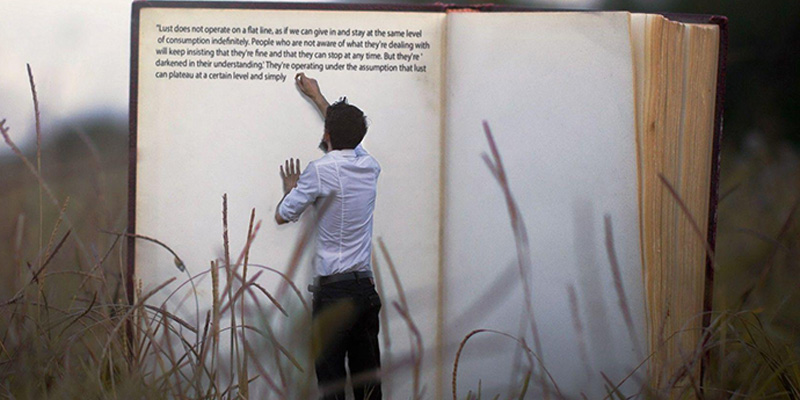
The tools of a writer go beyond pen and paper or your word processor. Writers also use non-tangible tools like observation and ideas. You need to be aware of your surroundings, recognize and capitalize on ideas, and have the ability to conduct research.
Fiction vs Nonfiction
The fiction vs nonfiction comparison presented in the following article should help understand the basic differences between these types of literary works.
Subscribe

Author Ads
Business Ads
Business Ad