

The site for writers of all genre, and the readers who love them. Find what you want to know.
Conquering the Dreaded Synopsis: A Series of 10 Lectures

By Lisa Gardner
In her Writer’s Toolbox section of the website Lisa offers this great series of lectures (PDF) to help you with the dreaded synopsis.
This in-depth lecture series, developed from a month-long class, covers everything from understanding the publishing market to writing a short synopsis to putting together a complete submission package. If you’re serious about marketing your novel, this is a good place to start.
… read more Scroll down to the LECTURES section of the page.
FOR YOUR CONVENIENCE: Each lecture is filled with great information.
- Introduction – In her Writer’s Toolbox section of the website Lisa offers this great series of lectures (PDF) to help you with the dreaded synopsis. This in-depth lecture series, developed from a month-long class, covers everything from understanding the publishing market to writing a short synopsis to putting together a complete submission package. If you’re serious about marketing your novel, this is a good place to start.

- Lecture 1 – The Market: For today’s lecture we must stop being artists. Today, we are business people. We have either created a products or we have a great idea for a product. Either way we need to sell our widget and to do that we have to stop thinking about what we like about it, and start thinking about what other people might like about it.
- Lecture 2 – The Query Letter: The one-page query letter is the first step of the submission process. The majority of publishers and agents require you to submit a query letter before you may send in your manuscript. The purpose of the query letter is to briefly introduce yourself, your concept, and your background, so that an editor/agent may determine if they are interested in requesting more. The query letter is only one-page in length, and it’s one of the most important documents you’ll ever create in your writing career.
- Lecture 3 – Synopsis Overview: the goal of the synopsis is to provide a bare bones sketch of your full manuscript. Think set up, major developments, and resolution. Another approach is to cover internal conflict, external conflict, black moment … and resolution. In addition to providing an overview of your story, a synopsis has the additional burden of showing the flavor of your writing.
- Lecture 4 – Short Synopsis Examples: Two synopsis examples. One for the mainstream suspense market. The second is for a 80,000 word Romantic Suspense novel targeted for Silhouette Intimate Moments.
- Lecture 5 – Creating a Strong Hook: The Hook can be from one sentence up to three paragraphs long. the goal is to grab the editor’s attention and establish your writing voice in one feel swoop.
- Lecture 6 – Identifying Plot Points: Unfortunately this is where many synopses fail. The writer succumbs to “laundry list” sundrome, cramming in one sentence for every scene of the novel, regardless of importance. This overwhelming detail suffocates voice and leaves the editor reeling.
- Lecture 7 – Short Synopsis Outlines: The Character Focused Synopsis – This is a great approach for Harlequin/Silhouette or any other romance-oriended publisher. The Plot Focused Synopsis – outlines key plot points and would be good for mainstream submissions where character issues are of secondary importance.
- Lecture 8 – The Long Synopsis: The long and short synopsis are similar in many respects. The key difference is that long synopsis must reveal voice.
- Lecture 9 – Full Submission: This lecture details the nuts and bolts of putting synopsis together, including the Cover Page, Manuscript Formatting, Binding, the Cover Letter, Mail, and the dreaded Wait.
- Lecture 10 – Final Summary of Submission Do’s and Don’ts: What to do and what not to do to get your manuscript noticed.
AGENTS & EDITORS
- Agents: Knowing When To Hold One and When To Fold
- Copyright Primer, Know Your Rights
- Getting Offers from Multiple Literary Agents
- Landing An Agent Elements Of A Winning Query
- Literary Agents List
- Preditors and Editors
- Publishing, Writing Terms, Acronyms
- Tips for a Successful Editor Appointment
- Want More? Here’s How to Get It
- What NOT to Do When Beginning Your Novel
- Windup for the (Story) Pitch
CALLS FOR SUBMISSIONS
CALLS FOR SUBMISSIONS MAIN PAGE
- 2026 NOV Calls For Submission
- 2026 OCT Calls For Submission
- 2026 SEP Calls For Submission
- 2026 AUG Calls For Submission
- 2026 JUL Calls for Submissions
- 2026 JUN Calls for Submissions
- 2026 MAY Calls for Submissions
- 2026 APR Calls for Submissions
- 2026 MAR Calls for Submissions
- 2026 FEB Calls for Submissions
- 2026 JAN Calls for Submissions
- 2025 DEC Calls for Submissions
CHARACTERIZATION
CONFLICT
DIALOGUE
GRAMMAR & FORMATTING
GRAMMAR & FORMATTING MAIN PAGE
- Achieving 250 Words / 25 Lines Per Page
- And Sammy, Too? Oh, No!
- Changing Double Hyphens to EM Dashes in Word
- Edit Easier
- High Hopes–Avoiding Common Mistakes
- Misused Words
- Navigating In Your Novel
- Proofreaders Marks
- Research Links
- Rules for Writers
- Slang and Jargon Souces
- Tightening Your Manuscript and Trimming the Word Count
JOBS / MARKETS
- 3 Ways to Make Your Non-Fiction Article Pitch Stand Out
- 35 Online Work Ideas to Earn Good Money Whilst Studying
- An Interview with Holly Ambrose
- Beyond the Basics
- Copyright Primer, Know Your Rights
- Finding Markets Fiction and Nonfiction
- Freelance Writing 101
- Getting Offers from Multiple Literary Agents
- How To Market Your Book After You’ve Written It
- How to Write a Novel Synopsis
- How To Write Your Own Press Releases
- Magazine Links
- Making Money As a Corporate Freelancer
- Market News–All Genres
- Need a Clip? Open a Newspaper
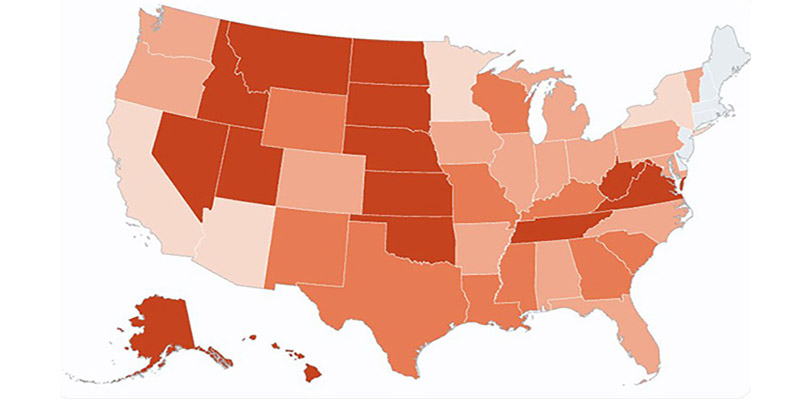
- News Desert Map
- Newspaper Writing Resources
- Publisher’s Websites
- Selling to Children’s Markets
- Submitting to UK Markets
- Syndication 101
- The Hollywood Screenwriter’s Break-In BluePrint
- the Power of the Press
- To Specialize, or Not to Specialize?
- Ultimate Guide to Being a Freelancer 2026 Update
- What Are Your Chances of Getting Published?
- Why Article Writing Should Be A Part Of Your Career Development Strategy
- Why E-Books?
- Write Your Way to $1000 a Month
- Youth Writing Markets
PLOTTING
- 3 Ways to Know When to End Your Chapters
- 7 Excellent Plotting Tips from Agatha Christie
- 7 Ways to Add Great Subplots to Your Novel
- 8 Best Writing Tips to Become a Best Storyteller
- Does Your Plot Need a Subplot?
- Love to Write: Here Is How You Can Build Your Career
- Slang and Jargon Souces
- The All Purpose Plot
- Turning Points and Plot Points in Storytelling
- What NOT to Do When Beginning Your Novel
- Writing the Novel by the Numbers
POINT OF VIEW
QUERIES & PROPOSALS
- Agents: Knowing When To Hold One and When To Fold
- Getting Offers from Multiple Literary Agents
- How to Write a Novel Synopsis
- Landing An Agent Elements Of A Winning Query
- Path to Self-Publishing Success
- Publisher’s Websites
- Publishing, Writing Terms, Acronyms
- Science & Science Fiction Writing Organizations
- Submission Tracking
- Surviving a Book Proposal
- Windup for the (Story) Pitch
- Writing a Synopsis & Query Letter
SUBMISSIONS
- Agents: Knowing When To Hold One and When To Fold
- An Interview with Jack Fisher
- Copyright Primer, Know Your Rights
- EBooks-Fears to Possibilities
- How to Write a Novel Synopsis
- Literary Agents List
- Path to Self-Publishing Success
- Publisher’s Websites
- Publishing, Writing Terms, Acronyms
- Science & Science Fiction Writing Organizations
- Selling to Children’s Markets
- Submission Tracking
- Surviving a Book Proposal
- What Are Your Chances of Getting Published?
- Write Your Way to $1000 a Month
- Writing a Synopsis & Query Letter
- Youth Writing Markets
SYNOPSIS
TIP SHEETS & GUIDELINES
TIP SHEETS & GUIDELINES MAIN PAGE
- Achieving 250 Words / 25 Lines Per Page
- Changing Double Hyphens to EM Dashes in Word
- Copyright Primer, Know Your Rights
- How To Write Your Own Press Releases
- Knowing and Finding Your Voice
- Plan for Success
- Publisher’s Websites
- Science & Science Fiction Writing Organizations
- What NOT to Do When Beginning Your Novel
- Why E-Books?
- Working with a Critique Group
WORKSHOPS & CONFERENCES
WORKSHOPS & CONFERENCES MAIN PAGE
- 2026 APR Workshops & Conferences
- 2026 AUG Workshops & Conferences
- 2026 FEB Workshops & Conferences
- 2026 JAN Workshops & Conferences
- 2026 JUL Workshops & Conferences
- 2026 JUN Workshops & Conferences
- 2026 MAR Workshops & Conferences
- 2026 MAY Workshops & Conferences
- 2026 NOV Workshops & Conferences
- 2026 OCT Workshops & Conferences
- 2026 SEP Workshops & Conferences
WRITING CONTESTS
ABOUT WRITING CONTESTS
- A Guide to Assessing Writing Contests
- Writer’s Conferences Do You Really Need To Attend?
- Writing Groups List
- 2026 NOV Writing Contests
- 2026 OCT Writing Contests
- 2026 SEP Writing Contests
- 2026 AUG Writing Contests
- 2026 JUL Writing Contests
- 2026 JUN Writing Contests
- 2026 MAY Writing Contests
- 2026 APR Writing Contests
- 2026 MAR Writing Contests
- 2026 FEB Writing Contests
- 2026 JAN Writing Contests
- 2025 DEC Writing Contests



Subscribe

Author Ads
Business Ads
Business Ad