

The site for writers of all genre, and the readers who love them. Find what you want to know.
Everything You Always Wanted to Know About POV

By Kathy Carmichael
Kathy offers a monthly question and answer blog that presents a subscriber’s question and answers offered by other subscribers or by Kathy herself. There is plenty of great advice here for the writer to glean.
Example:
This month, my question went out to various members of the Mid America Romance Authors (MARA) chapter. The question is: Do you use secondary character point of view (POV)? Why or why not?
Answered by Val Daniels (aka Alfie Thompson) who learned everything she could about POV to sell traditional romance to Harlequin Romance (which prefers heroine POV only). [Note: At the time this article was originally published this was true, but this is no longer the case.] Currently on the stands, Sweet Valentine from Harlequin Romance, is told strictly in the hero and heroine’s POV.
I decide whether to use secondary character POV based on the length of book I’m writing and on the story I want to tell. Though there isn’t a ‘right’ or ‘wrong’ POV to use, there is ‘best’ POV for the story I’m telling. I use the following questions to help me decide:
- Whose viewpoint makes my fictional world seem most real? EX: In Between Dusk and Dawn, the villain’s POV showed his motivation in choosing the heroine as his next victim. Without his POV the plot wouldn’t have been believable or logical.
- Whose story is it anyway? Which character will the reader root the hardest for?You want the reader to pull for your main character to make the right choices. The more intimate the reader becomes with the character (reader identification) the more she cares for what happens to that character. The more character viewpoints you use, the less the reader has a chance to get ‘intimate’ with any one or two. (That’s why length of story is so important in deciding how many viewpoint characters to use.) And do you really want your readers to feel close to the bag person at the grocery store?
- Which character(s) will best convey what you, the author, want to say?Whatever your theme/premise, your viewpoint characters can’t be people who’ve already learned it. You’ll preach (tell) instead of showing your main character learning the lesson and using it to come to terms with the conflict.
- Which viewpoint(s) will keep the reader turning pages? Make the story most compelling?Too many viewpoint characters may unwittingly lessen the tension or suspense. Limited POV helps keep the suspense alive because the reader can only know what the viewpoint characters know. Secondary characters’ POV is especially good in plot oriented books because it lets the reader see many things he couldn’t in a more restricted point of view. But if a viewpoint character knows something you don’t let the reader in on, the reader may feel cheated when they get to the end—if they get to the end. So do you want to keep secrets? Who from?
… read more
AGENTS & EDITORS
- Agents: Knowing When To Hold One and When To Fold
- Copyright Primer, Know Your Rights
- Getting Offers from Multiple Literary Agents
- Landing An Agent Elements Of A Winning Query
- Literary Agents List
- Preditors and Editors
- Publishing, Writing Terms, Acronyms
- Tips for a Successful Editor Appointment
- Want More? Here’s How to Get It
- What NOT to Do When Beginning Your Novel
- Windup for the (Story) Pitch
CALLS FOR SUBMISSIONS

CALLS FOR SUBMISSIONS MAIN PAGE
- 2026 NOV Calls For Submission
- 2026 OCT Calls For Submission
- 2026 SEP Calls For Submission
- 2026 AUG Calls For Submission
- 2026 JUL Calls for Submissions
- 2026 JUN Calls for Submissions
- 2026 MAY Calls for Submissions
- 2026 APR Calls for Submissions
- 2026 MAR Calls for Submissions
- 2026 FEB Calls for Submissions
- 2026 JAN Calls for Submissions
- 2025 DEC Calls for Submissions
CHARACTERIZATION
CONFLICT
DIALOGUE
GRAMMAR & FORMATTING
GRAMMAR & FORMATTING MAIN PAGE
- Achieving 250 Words / 25 Lines Per Page
- And Sammy, Too? Oh, No!
- Changing Double Hyphens to EM Dashes in Word
- Edit Easier
- High Hopes–Avoiding Common Mistakes
- Misused Words
- Navigating In Your Novel
- Proofreaders Marks
- Research Links
- Rules for Writers
- Slang and Jargon Souces
- Tightening Your Manuscript and Trimming the Word Count
JOBS / MARKETS
- 3 Ways to Make Your Non-Fiction Article Pitch Stand Out
- 35 Online Work Ideas to Earn Good Money Whilst Studying
- An Interview with Holly Ambrose
- Beyond the Basics
- Copyright Primer, Know Your Rights
- Finding Markets Fiction and Nonfiction
- Freelance Writing 101
- Getting Offers from Multiple Literary Agents
- How To Market Your Book After You’ve Written It
- How to Write a Novel Synopsis
- How To Write Your Own Press Releases
- Magazine Links
- Making Money As a Corporate Freelancer
- Market News–All Genres
- Need a Clip? Open a Newspaper
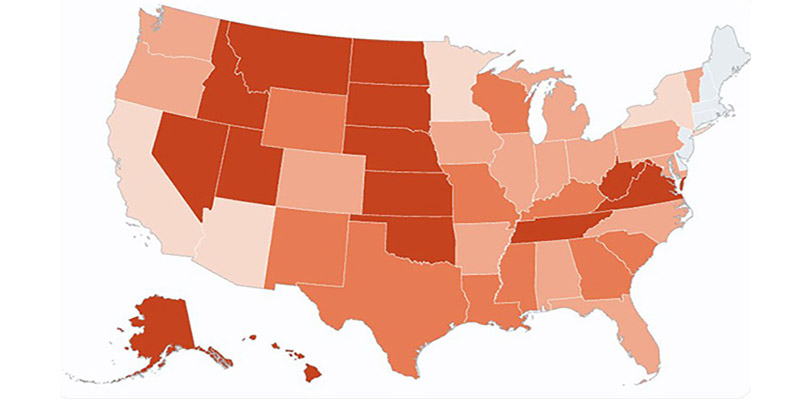
- News Desert Map
- Newspaper Writing Resources
- Publisher’s Websites
- Selling to Children’s Markets
- Submitting to UK Markets
- Syndication 101
- The Hollywood Screenwriter’s Break-In BluePrint
- the Power of the Press
- To Specialize, or Not to Specialize?
- Ultimate Guide to Being a Freelancer 2026 Update
- What Are Your Chances of Getting Published?
- Why Article Writing Should Be A Part Of Your Career Development Strategy
- Why E-Books?
- Write Your Way to $1000 a Month
- Youth Writing Markets
PLOTTING
- 3 Ways to Know When to End Your Chapters
- 7 Excellent Plotting Tips from Agatha Christie
- 7 Ways to Add Great Subplots to Your Novel
- 8 Best Writing Tips to Become a Best Storyteller
- Does Your Plot Need a Subplot?
- Love to Write: Here Is How You Can Build Your Career
- Slang and Jargon Souces
- The All Purpose Plot
- Turning Points and Plot Points in Storytelling
- What NOT to Do When Beginning Your Novel
- Writing the Novel by the Numbers
POINT OF VIEW
QUERIES & PROPOSALS
- Agents: Knowing When To Hold One and When To Fold
- Getting Offers from Multiple Literary Agents
- How to Write a Novel Synopsis
- Landing An Agent Elements Of A Winning Query
- Path to Self-Publishing Success
- Publisher’s Websites
- Publishing, Writing Terms, Acronyms
- Science & Science Fiction Writing Organizations
- Submission Tracking
- Surviving a Book Proposal
- Windup for the (Story) Pitch
- Writing a Synopsis & Query Letter
SUBMISSIONS
- Agents: Knowing When To Hold One and When To Fold
- An Interview with Jack Fisher
- Copyright Primer, Know Your Rights
- EBooks-Fears to Possibilities
- How to Write a Novel Synopsis
- Literary Agents List
- Path to Self-Publishing Success
- Publisher’s Websites
- Publishing, Writing Terms, Acronyms
- Science & Science Fiction Writing Organizations
- Selling to Children’s Markets
- Submission Tracking
- Surviving a Book Proposal
- What Are Your Chances of Getting Published?
- Write Your Way to $1000 a Month
- Writing a Synopsis & Query Letter
- Youth Writing Markets
SYNOPSIS
TIP SHEETS & GUIDELINES
TIP SHEETS & GUIDELINES MAIN PAGE
- Achieving 250 Words / 25 Lines Per Page
- Changing Double Hyphens to EM Dashes in Word
- Copyright Primer, Know Your Rights
- How To Write Your Own Press Releases
- Knowing and Finding Your Voice
- Plan for Success
- Publisher’s Websites
- Science & Science Fiction Writing Organizations
- What NOT to Do When Beginning Your Novel
- Why E-Books?
- Working with a Critique Group
WORKSHOPS & CONFERENCES
WORKSHOPS & CONFERENCES MAIN PAGE
- 2026 APR Workshops & Conferences
- 2026 AUG Workshops & Conferences
- 2026 FEB Workshops & Conferences
- 2026 JAN Workshops & Conferences
- 2026 JUL Workshops & Conferences
- 2026 JUN Workshops & Conferences
- 2026 MAR Workshops & Conferences
- 2026 MAY Workshops & Conferences
- 2026 NOV Workshops & Conferences
- 2026 OCT Workshops & Conferences
- 2026 SEP Workshops & Conferences
WRITING CONTESTS
ABOUT WRITING CONTESTS
- A Guide to Assessing Writing Contests
- Writer’s Conferences Do You Really Need To Attend?
- Writing Groups List
- 2026 NOV Writing Contests
- 2026 OCT Writing Contests
- 2026 SEP Writing Contests
- 2026 AUG Writing Contests
- 2026 JUL Writing Contests
- 2026 JUN Writing Contests
- 2026 MAY Writing Contests
- 2026 APR Writing Contests
- 2026 MAR Writing Contests
- 2026 FEB Writing Contests
- 2026 JAN Writing Contests
- 2025 DEC Writing Contests


Subscribe

Author Ads
Business Ads
Business Ad